Rotary Rig Hydraulic Overheating? A 4-Step Guide to Preventing On-Site Downtime
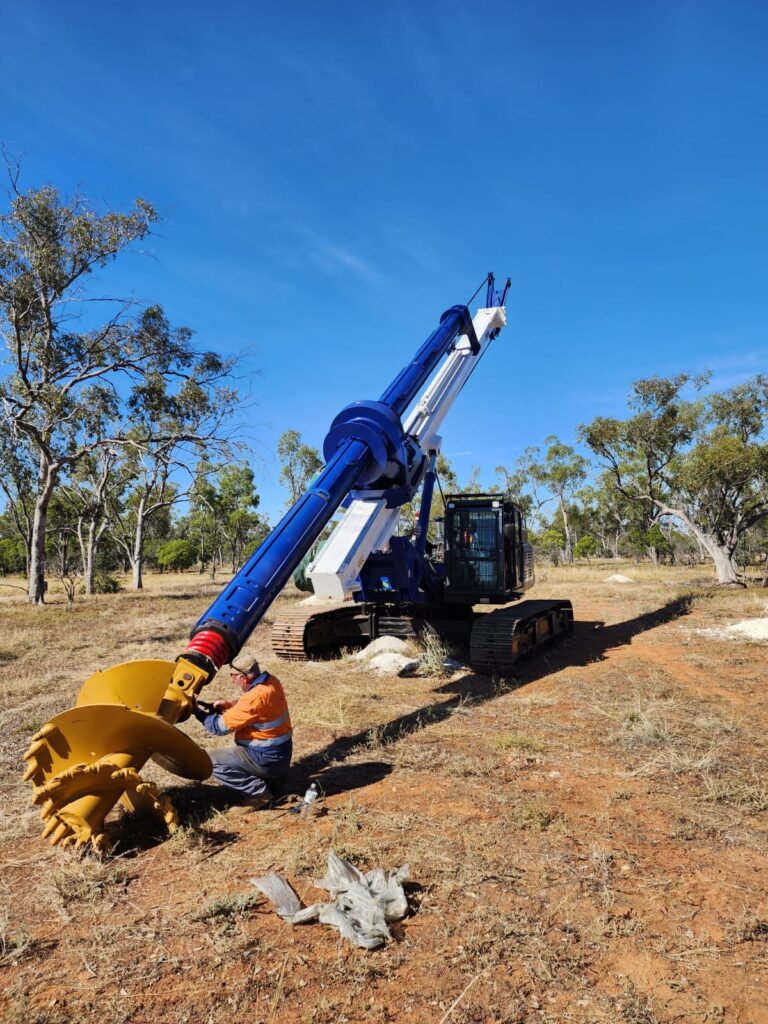
The hydraulic system acts as the “blood circulatory system” of a rotary drilling rig. During continuous high-load operations or in high-temperature environments, once the hydraulic oil temperature exceeds 80°C, it triggers seal aging, drops oil viscosity, and can even cause system failure.
The four main culprits behind system overheating and their troubleshooting steps include:
1. Radiator Clogging: Construction sites are highly dusty, and drilling dust easily adheres to the surface of the hydraulic radiator. Regularly use a high-pressure air or water gun for reverse cleaning to ensure unobstructed airflow.
2. Oil Degradation: This occurs when hydraulic oil is not changed for a long time or an incorrect oil grade is used. High-viscosity, anti-wear hydraulic oil meeting factory standards must be strictly used based on seasonal temperature fluctuations.
3. Improper Relief Valve Setting: If the system’s main relief valve pressure is set too low, hydraulic oil will frequently bypass back to the tank, converting substantial mechanical energy into thermal energy. Re-calibration of circuit pressures is required.
4. Internal Component Wear: Internal wear in hydraulic pumps or main valves increases internal leakage. This leakage process is accompanied by intense heat generation, requiring timely repair or replacement of core hydraulic components
More From Yahe
Interested in Yahe Equipment?
Talk to our engineering team about your project requirements and get a formal quote.