Interlocking vs. Friction Kelly Bars: How to Choose for Different Working Conditions?
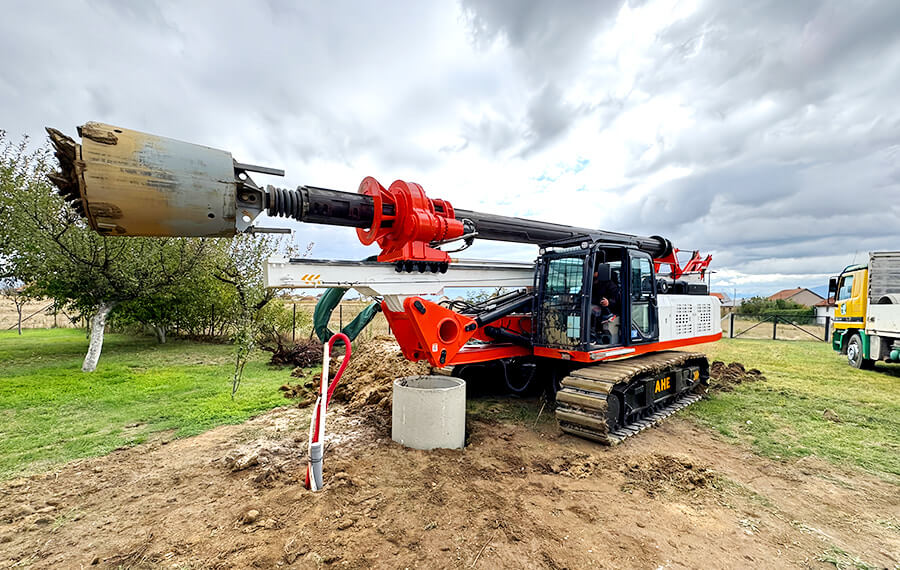
Known as the “backbone” of a rotary drilling rig, the Kelly bar transfers torque and crowd force from the rotary drive precisely to the bottom of the hole. Kelly bars in the market are primarily divided into Interlocking and Friction types, each tailored to distinct working conditions.
Interlocking Kelly Bars: Feature mechanical locking slots on the outer walls. When pressure is applied, the telescopic sections lock mechanically, transferring the full crowd force of the rig directly to the bit. It is the absolute preferred choice for rock socketing, hard soil layers, and large-diameter deep holes.
Friction Kelly Bars: Rely on the frictional force between the drive keys to transmit crowd force. Their advantages include faster lifting speeds, smooth transmission, and lighter overall weight. When drilling in soft-to-medium soil, sand, or clay layers, friction bars deliver far higher efficiency than interlocking ones.
Correctly matching the Kelly bar not only maximizes the power performance of the drilling rig but also effectively prevents catastrophic economic losses such as bar twisting or snapping caused by improper selection.
More From Yahe
Interested in Yahe Equipment?
Talk to our engineering team about your project requirements and get a formal quote.