Selecting the Right Drilling Bits for Rotary Rigs in Hard Rock Formations
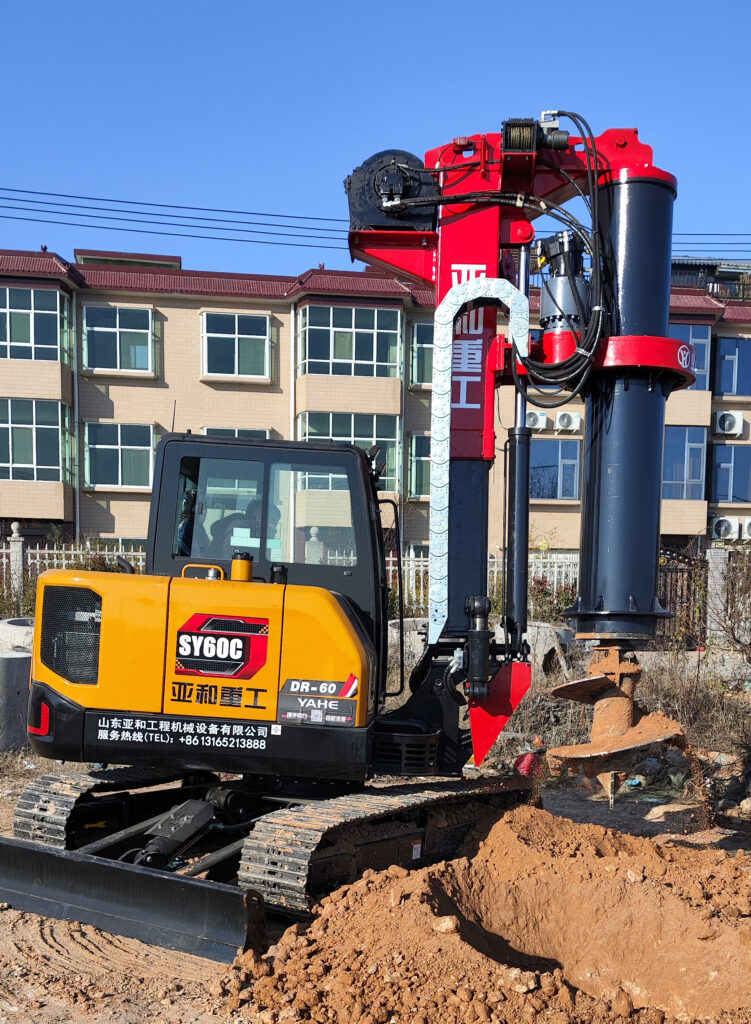
Key to Rock Socketing: Selecting Cutter Bits and Core Barrels Based on Geology
In foundation construction, rotary drilling rigs frequently encounter complex geologies such as high-strength hard rock and slightly weathered formations. How can operators ensure efficient penetration while reducing tool wear? The core lies in selecting drilling bits based on specific geological conditions.
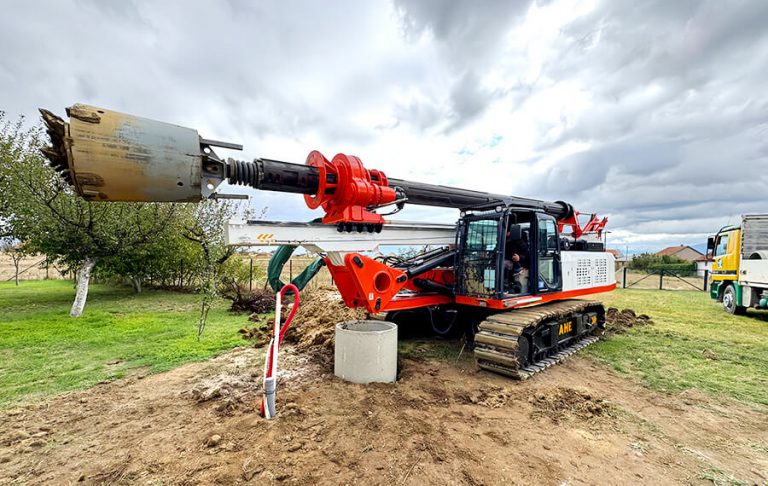
1. Core Barrel: Suitable for medium to slightly weathered hard rock formations. It cuts an annular groove to leave a rock core, which is then broken and removed using roller cones or bullet teeth, effectively solving the dilemma of drilling large-diameter full-face hard rocks
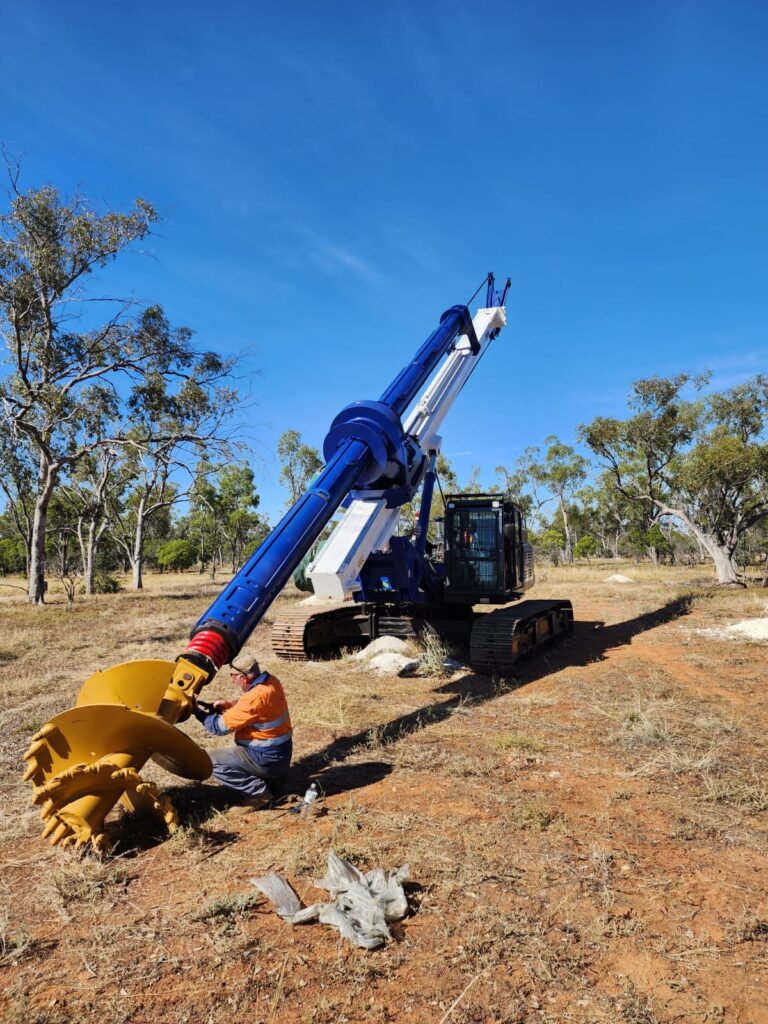
2. Rock Auger: Mainly used for construction containing pebbles, strongly weathered rocks, or softer rock layers. The tapered arrangement of teeth can quickly crush rocks and lift them out of the borehole via double flights.
3. Bullet Teeth vs. Roller Cones: For rocks with a Uniaxial Compressive Strength (UCS) below 60MPa, high-strength alloy bullet teeth perform excellently. However, when facing extremely hard rocks exceeding 100MPa, roller cone bits must be deployed for their rolling and crushing action.
Mastering the scientific method of bit selection not only multiplies construction efficiency but also significantly extends the service life of the rotary rig’s rotary drive and main winch.
More From Yahe
Interested in Yahe Equipment?
Talk to our engineering team about your project requirements and get a formal quote.